
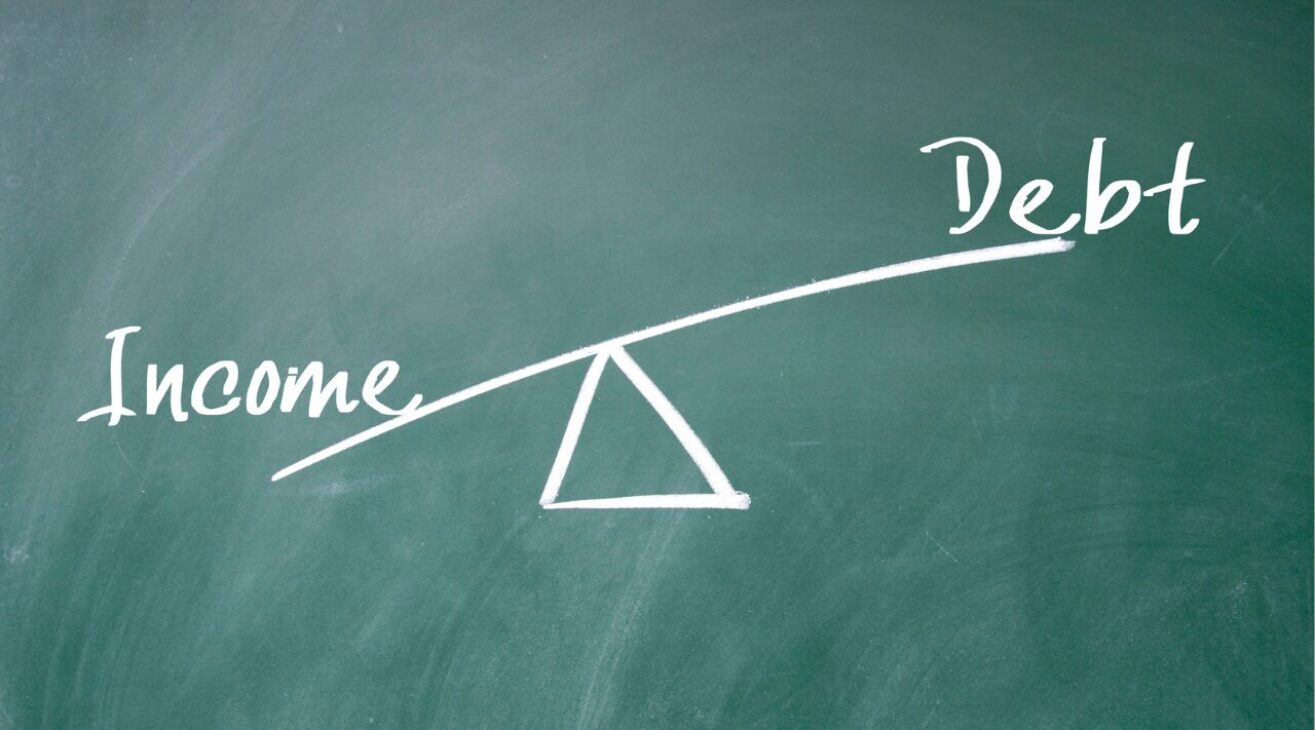
4 Debt Traps Keeping Business Owners In The Red
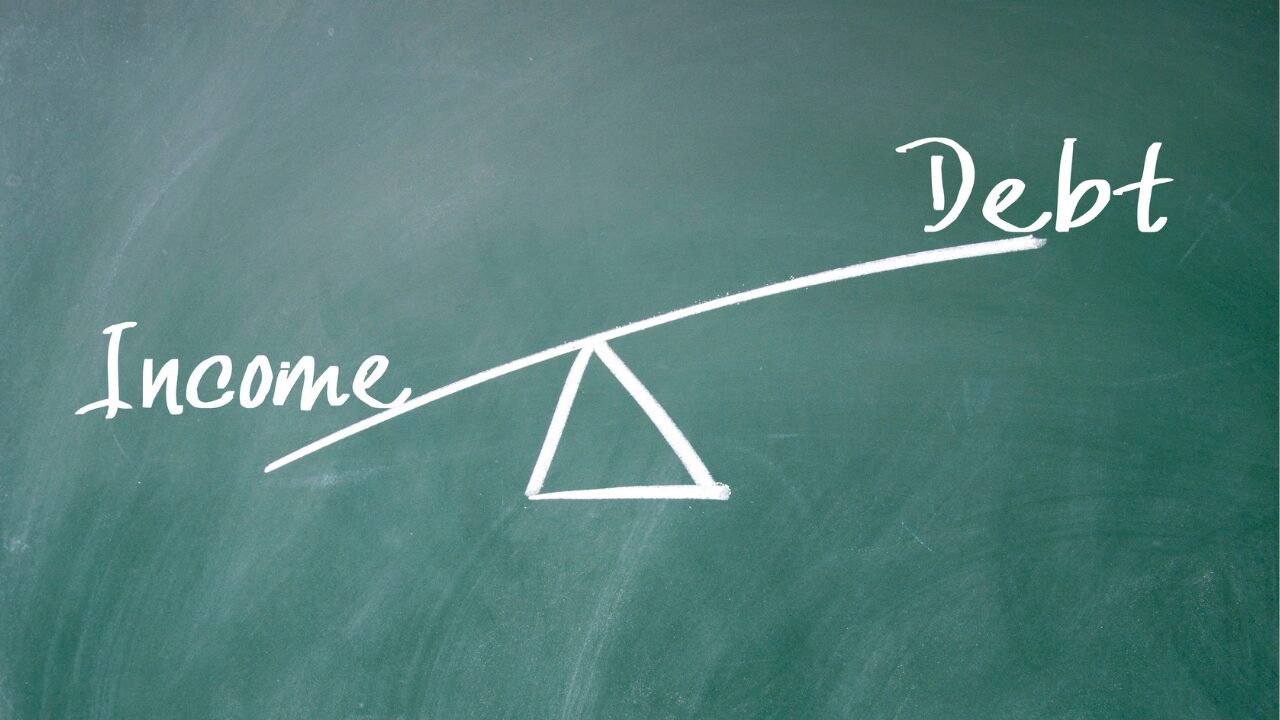
The Endless Debt Spiral
Let’s talk about debt and the 4 traps you need to be aware of if you are a business owner who wants to avoid debt, or if you are in debt and want to get out.
As a coach, I am always noticing the patterns underneath the behaviour – the thoughts and emotions that cause us to do the things we do. When it comes to debt, we usually have two camps of people:
-
Camp 1: Believe debt is not a problem. It’s a tool that you can leverage to grow your business.
-
Camp 2: Believe debt is bad. No such thing as good debt or bad debt – all debt is debt, and you shouldn’t do it.
I don’t personally do debt. I don’t want to owe anyone any money. And also, I am quite neutral about the subject of debt because debt is neutral. It’s our beliefs about it that give it a charge. Our thoughts about it are either that it’s good or it’s bad. So whenever a client asks me whether they should go into debt because they want to grow, I always ask them why they believe it’s the best path for them.
That question uncovers the story behind the thinking. It shows whether you're reacting to worst-case fears and FOMO, or deciding from a position of strength.
The Fork in the Road
There are typically two main reasons why business owners get into debt in the first place:
-
To keep the lights on: Maybe you had a slow month, your biggest client cancelled, or they haven’t paid you on time. There is a cash flow crunch. You don’t have enough money to cover the bills, buy stock, or pay taxes. When we get into debt from this place, it is usually out of panic. Our nervous systems kick in big time and our brain looks for the fastest path out of the fire.
-
To grow or scale without cash: Maybe you need to hire someone, move into bigger offices, or invest in ads. You want to grow, you need cash to fund that growth, and you look at debt as an investment that you believe will yield a great return on investment (ROI). When we get into debt from this place, it comes from optimism, hopefulness, and excitement.
In either of these scenarios, you are at a fork in the road with two options:
Path A: Take on debt. This path is incredibly seductive because it promises immediate relief—not just from the problem in front of you, but also from the emotional discomfort of having the problem. Debt is fast and easy. You can phone the bank at 9:00 AM and have the cash in your account by noon. Because it’s easy and fast, you get that instant dopamine hit. You are out of the red quickly, you can breathe a sigh of relief, and move on.
Path B: Do not take debt and look for alternative ways to generate the money. This path requires you to become resourceful and get uncomfortable. If you are in a “keep the lights on” situation, this is where you have to look at how you got here. You have to investigate the underlying problem, not just the surface-level symptom of not having enough cash. This might mean making hard decisions, having difficult conversations, or building a completely new set of money skills and habits. It can feel slow and tedious, but it sets a much stronger foundation for the future of your business and shifts you into a new level of leadership.
Making Decisions From Clarity, Not Emotion
If you are going to use debt as leverage in your business, do it from a position of absolute power, clarity, and ideally financial stability. Look at the terms, look at your numbers, and choose it because it genuinely makes strategic sense, not because you are in dire straits and feel like you have no other choice.
Avoid making decisions from an extreme emotional state. It doesn’t matter if that emotion is a “negative” one like panic, fear, or urgency over a cash crunch, or a “nice” emotion like intense excitement, hyper-optimism, or the rush of a new opportunity. When your nervous system is flooded with high emotional energy, logic is thrown out the window. In both cases, your survival brain takes over in an Amygdala Hijack, and all you can think of is instant gratification, whether that is relief from the pain or getting the reward.
Slow down and give yourself room to calm down so you can make an intentional decision.
The 4 Debt Traps
There are 4 traps business owners fall into that make reaching for debt to fix the immediate problem easier:
1. Thinking money will solve every problem
Cash flow problems are always a symptom, never the cause. You need to look at what is causing the issue. Maybe you signed a client on terrible payment terms because you were scared to ask for 50% upfront. Maybe you under-quoted. Maybe you took on a client who’s wrong for you because you didn’t want to say no to the income.
Debt is instant and requires zero confrontation with the real problem. You don’t have to call the client and ask why they’re late, admit you under-quoted, or say no to wrong income. The credit card or revolving loan solves the symptom in five minutes flat with zero friction. But debt doesn’t fix cash flow problems long term…it just buys you another month of not looking at the real issue. Next month, the same gap will be there, except now you’re paying interest on top of it too.

2. Not Having a Cash Buffer Inside Your Business
Every business has inconsistent income, even with recurring revenue. You will always have amazing months and not-so-amazing months. The problem is never the inconsistency; it’s that you have nothing sitting between you and the inconsistency.
Without three to six months of operating expenses set aside, it’s easy for debt to become the default option when something unexpected happens. One slow month, one client paying late, or one unexpected equipment repair, and suddenly you’re reaching for the credit line. Having a cushion allows you to weather these natural ups and downs.

3. You Are the Forever Optimist
Healthy optimism means we don’t ignore the downside or pretend that it doesn’t exist. When you genuinely believe next month will be better, borrowing against next month doesn’t feel like a gamble. You feel like you're just covering a temporary gap before the upswing you’re already sure is coming. This “things will be better next month” optimism makes debt feel safe or even smart. The forever optimist doesn’t even entertain the idea that it might not work out because that feels like betting against yourself or giving up.

4. Carrying the Emotional Weight and Shame Alone
Debt is almost never a neutral event. If you have gotten yourself deep into a debt hole, chances are you feel guilty, embarrassed, and ashamed. Many business owners isolate themselves, put on a smile, and don’t tell anyone how bad things really are. Flooded with the highlight reels of other business owners online, you end up thinking you suck at money and business.
Shame, guilt, and embarrassment make you want to hide and avoid the numbers. This is usually where “make money quickly” schemes look attractive, leading to actions you think will get you out of the situation, but actually don't.

Taking Back Control
The good news is that getting out of debt is just a decision. That decision may be triggered by you being sick and tired of being sick and tired, or because you’ve hit rock bottom and maxed out all your options. This is a pivotal moment where you decide: no more.
If you are ready to get out of debt faster with less drama and would like support, I would love to help you. I have gotten myself out of serious debt and have helped my clients do the same, and I know I can help you too. Click the link in the show notes below to apply to work with me privately, fill in the application, and let’s start the process of taking back control of your business and your money.
