Article · By SHIELD GBV Response & Safeguarding Consultancy ·
What should I do when someone tells me they are being abused?
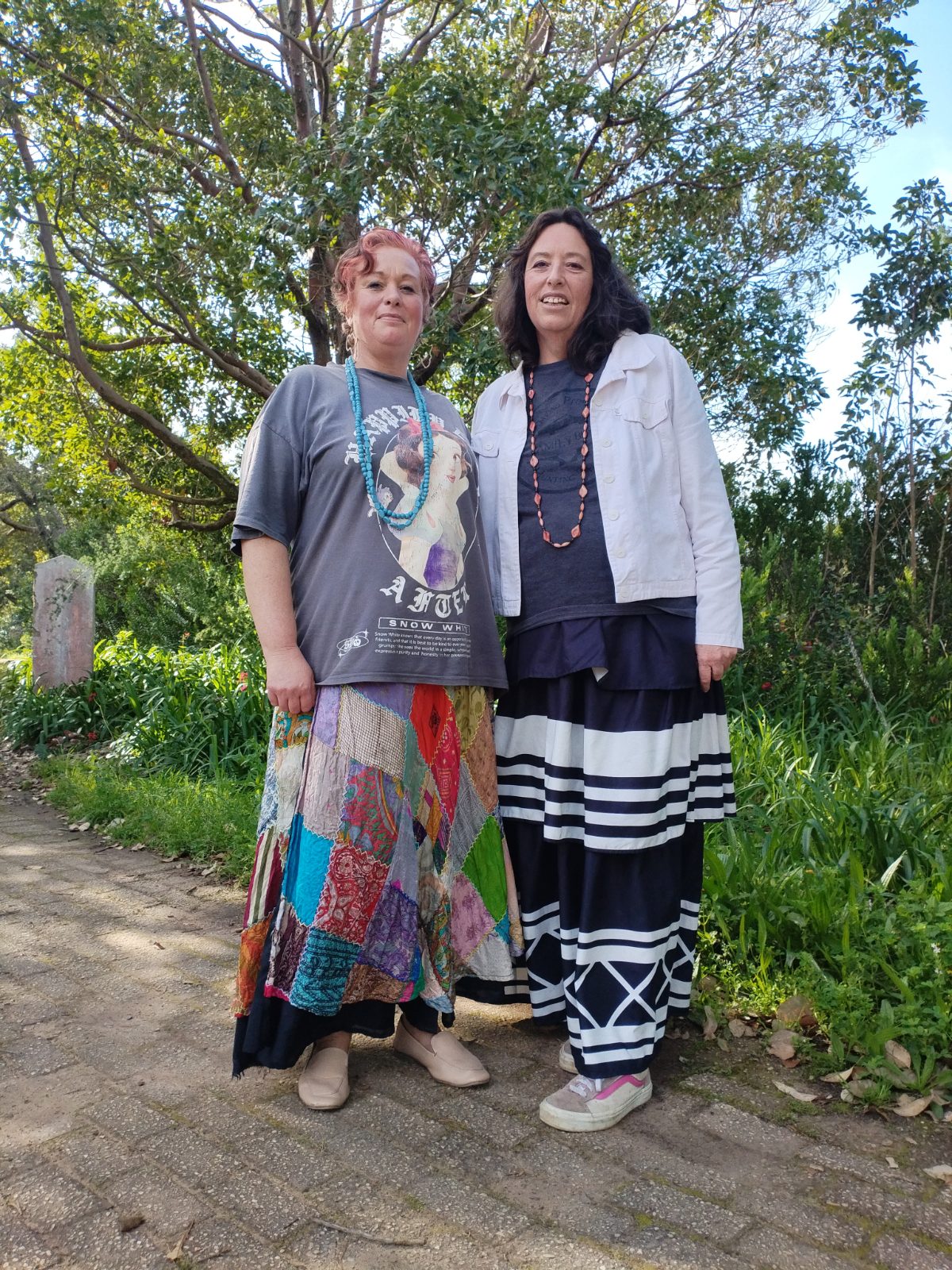
If someone tells you that you're being abused, listen without judgment, take them seriously
If someone tells you they're being abused, listen without judgment and take them seriously. Check whether they are safe and help them reach appropriate support. You do not need to investigate or fix everything yourself. A calm, respectful response can help a survivor feel good and supported.
What to Do When Someone Tells You They’re Being Abused
When someone tells you they are being abused, it can be difficult to know what to say. You may feel shocked, angry or frightened for them, or immediately want to fix the situation. But in that moment, the most important thing is not having all the answers. It is how you respond.
One of the questions I hear most often is: “What am I actually supposed to do when someone tells me they’re being abused?” Here are some practical things to remember.
Listen before trying to solve it
Give the person space to speak. You do not need to interrupt with questions or immediately work out what should happen next. Sometimes the first thing a person needs is simply to know that somebody has heard them and is taking them seriously.
You can say:
“Thank you for telling me.”
“I’m listening.”
“I’m sorry you’re going through this.”
“What do you need from me right now?”
Those simple words can matter enormously.
Avoid questions that sound like blame
Questions such as “Why didn’t you leave?”, “Why did you go back?” or “Why didn’t you report it earlier?” may seem reasonable from the outside, but they can make someone feel judged or responsible for what has happened to them.
Abuse is complicated. Fear, financial dependence, children, threats, isolation, emotional manipulation and many other factors can affect someone’s choices. A better question is: “How can I support you safely?”
Do not become the investigator
Your job is not to determine whether the person’s story is true. You also do not need to gather evidence, confront the alleged abuser or conduct your own investigation. Doing that can sometimes increase risk.
Listen to what the person wants to tell you and help them connect with the appropriate services. Depending on the situation, that might include police, medical services, a social worker, legal support, victim-support services or another specialist organisation.
Check immediate safety
If somebody is in immediate danger, safety becomes the priority. You can gently ask:
“Are you safe right now?”
“Do you need medical attention?”
“Is the person who hurt you nearby?”
“Are there children involved?”
“Do you have somewhere safe to go?”
If there is an immediate threat, emergency, medical, police or child-protection services may need to become involved.
Respect confidentiality
A disclosure of abuse should never become gossip. A survivor should not suddenly discover that their private experience has been shared around a workplace, school, family or community.
At the same time, avoid promising absolute secrecy. There may be situations involving children, immediate danger or safeguarding responsibilities where professional help is needed. A better approach is: “I’ll treat what you tell me with care and respect. If we need more help, we can talk about the safest next step.”
Do not take over
When somebody tells you they are being abused, it can be tempting to take control immediately: “I’ll phone the police.” “I’ll speak to your family.” “I’ll confront him.” “I’ll sort this out.”
But abuse often involves someone having power and control taken away from them. Where it is safe and appropriate, explain the options and involve the person in deciding what happens next. Supporting someone does not mean making every decision for them.
Know when to refer
You do not need to be a counsellor, social worker, police officer or lawyer to respond with care. You do need to recognise when somebody needs professional support. Knowing your local referral pathways before a crisis happens can make an enormous difference.
This is particularly important for workplaces, schools and community organisations. People in leadership positions should know:
who receives a disclosure
how information is handled
when a matter needs to be escalated
which services are available locally
how to respond without blaming, interrogating or causing further harm
Safeguarding should not begin only after something has gone wrong.
The most important thing to remember
You do not need perfect words.
Be calm.
Listen.
Take the disclosure seriously.
Avoid judgement.
Think about immediate safety.
Help the person reach the appropriate support.
Sometimes the most powerful thing you can say is simply: “I hear you. Let’s work out what support you need next.”
I’m Victoria Rowe, co-founder of SHIELD GBV Response & Safeguarding Consultancy NPC in Plettenberg Bay. SHIELD supports safer, trauma-informed responses to GBV and safeguarding concerns and helps people connect with appropriate referral pathways across the Garden Route.
Find me on the GwenGo Collective here